Tag: Consumer Behaviour

  • Is Purpose – Led Marketing Losing Its Edge in 2025?

    Is Purpose – Led Marketing Losing Its Edge in 2025?

    Photo courtesy: Viktoria Slowikowska on Pexels.com

    By Wandernests Dispatch – Brand Nest I 20 Sept, 2025

    As the backlash grows and budgets tighten, purpose-led marketing faces its most uncomfortable reckoning yet.

    Once the crown jewel of modern marketing, brand purpose is now facing a sharp correction.

    This summer, two very different brands – Carl’s Jr. and Bud Light – quietly swapped inclusive, socially conscious messaging for tried-and-tested Americana. Out went the bold purpose-led marketing statements. In came BBQs, bikinis, and backyard banter. ‘Safe’ advertising is back. And it’s not just them.

    Unilever, long heralded as the godfather of purpose-led marketing, has officially backpedaled. CEO Hein Schumacher told investors the company would no longer ‘force-fit’ purpose into every brand, citing dilution and backlash risks. Instead, only brands with credible, commercially-aligned purpose would continue on that path.

    Welcome to the new era of purpose fatigue – where cultural polarisation, consumer blowback, and performance pressure are colliding to make even the most confident marketers pause.

    🎯 Why This Matters Now

    Consumer polarisation is real: FCB & Angus Reid found political views now strongly influence purchases, pushing leaders toward cautious, middle-of-the-road campaigns.

    Purpose is becoming diluted: Unilever’s CEO Hein Schumacher recently admitted the company would no longer ‘force-fit’ purpose into every brand – citing risk of overextension, weak ROI, and shareholder pushback.

    Dove logo with the tagline 'real beauty' on a light background. Unlearning Marketing Myths, Byron Sharp. Brand Nest. Wandernests

    Photo by Pexels.com

    Backlash risk is high: Pride sponsorships and DEI ads are increasingly being pulled at the last minute – driven by legal, shareholder, or political concerns.

    🔥 The Brand Balancing Act

    Let’s not forget: the past decade has been shaped by brands ‘taking a stand’. Nike, Patagonia, Dove – they all taught marketers that values could drive value.

    But 2025 tells a different story.

    At Cannes Lions this year, marketers debated whether brand bravery had become brand liability. On one side, advocates calling for brands to hold their ground. On the other, risk officers, CFOs and comms leads pulling the emergency brake.

    🟠 Retreating from Purpose:

    • Carl’s Jr., once known for purpose-led campaigns, reverted to nostalgia (“burgers and bikinis”) in its Super Bowl spot.
    • Bud Light shifted to BBQ-and-beer ads after DEI backlash, prioritising broad appeal over cause association.
    • Unilever is strategically retracting from sweeping purpose commitments – streamlining focus on fewer, more financially meaningful initiatives.

    🟢 Doubling down on Purpose:

    Nespresso, post-pressure, has embraced ‘brand-led transparency’ – earning B Corp certification and embedding ESG into purpose-driven storytelling.

    elegant nespresso capsules display on marble counter
    Photo by Deniz Gezer on Pexels.com

    Ben & Jerry’s, under Unilever, is bucking the trend – releasing ‘Make Some Motherchunkin’ Change’ on racial justice and climate. This campaign isn’t just messaging; it’s a brand-defining stance that’s generating high consumer engagement and loyalty.

    Patagonia, as ever, proves purpose pays – so long as it’s aligned with product, culture, and leadership DNA.

    Craving sharper insights on the brands shaping culture, commerce and marketing? Subscribe to Wandernests – your weekly intel on what’s winning, what’s next, and what it means for marketers who move fast.

    ⚔️ The CMO Dilemma: To Speak or Not to Speak

    Brand leaders now find themselves in a bind. Consumers (especially Gen Z) still expect activism. But activist messaging, especially around DEI, is increasingly risky terrain. For every Dove that goes viral with a body positivity campaign, there’s a brand facing lawsuits, boycotts, or media firestorms.

    And let’s not forget: many brands that once flew the Pride flag have quietly stepped back in 2025. According to Ad Age, several major advertisers have ‘reduced or removed’ LGBTQ+ visibility in their comms – without press releases or apologies. The silence is telling.

    diversity equity inclusion concept with letter tiles
    Photo by Markus Winkler on Pexels.com

    🧭 Core Insight

    Purpose isn’t dead – but purpose for purpose’s sake is under attack. Strategic purpose only works when it’s both genuine and growth-relevant – not forced or merely symbolic.

    Common PitfallSmarter Purpose Play
    Forcing purpose across every SKUTarget purpose where it’s authentic and impactful
    Retiring all social messagingUse data-informed risk testing to pilot purpose campaigns
    Siloed brand/ creative workAlign purpose messaging with product innovation and brand core

    🤔 Questions to Spark Discussion

    • Is your brand’s purpose authentic, differentiated and defensible – even under scrutiny?
    • Which causes align with your business model and consumer promise, not trend-chasing?
    • Are you building consumer-led purpose journeys or broadcasting from the top?

    What Comes Next?

    CMOs are moving from purpose everywhere to purpose where it matters. Expect tighter guardrails, deeper internal alignment, and a stronger link between brand purpose and business performance.

    Authenticity over optics
    Product truth over purpose theatre
    Long-term consistency over campaign-of-the-moment

    As one Cannes juror put it: ‘The era of lazy purpose is over. If it doesn’t link to what you make and how you behave – it’s not strategy, it’s stunt’.

    In a deeply polarised world, playing it safe risks leading from the middle – where purpose fades. The brands that win won’t just stand for something – they’ll stand up strategically. Bold isn’t an option. It’s a necessity.

    Craving sharper insights on the brands shaping culture, commerce and marketing? Subscribe to Wandernests – your weekly intel on what’s winning, what’s next, and what it means for marketers who move fast.
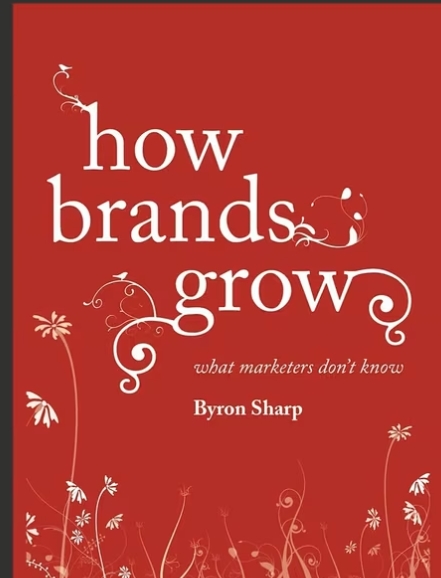
  • How Brands Grow (Part 1): Unlearning Marketing Myths

    How Brands Grow (Part 1): Unlearning Marketing Myths

    Photo courtesy http://www.amazon.com

    By Wandernests Dispatch – Brand Nest I 11 June, 2025

    “If you want growth, focus on penetration, not loyalty.” This isn’t just a quote – it’s a revolution in evidence based marketing thinking, sparked by Professor Byron Sharp’s landmark book How Brands Grow: What Marketers Don’t Know.

    Early in How Brands Grow, Professor Sharp quotes Mark Twain’s observation that ‘Education consists mainly of what we have unlearned.’

    By debunking conventional wisdom (those conventional marketing myths we know!) and backing every claim with hard data, Sharp forces marketers to confront uncomfortable truths. In this article summary, we break down the core marketing laws from Part 1 of the book – and illustrate each with real-world consumer packaged goods (CPG) examples. If you’re serious about brand growth, it’s time to rethink everything you thought you knew.

    1. Growth Comes from Increasing Market Penetration, Not Loyalty

    A Coca-Cola bottle prominently displayed in a store with orange overhead lighting and Coca-Cola branding in the background. Unlearning Marketing Myths, Byron Sharp. Brand Nest. Wandernests

    Gen AI Created Pic

    CPG Case in Point: Coca-Cola
    Coca-Cola is a masterclass in penetration marketing. Rather than obsessing over loyalty cards or points, Coca-Cola invests in mass advertising, broad availability, and cultural relevance – from Olympic sponsorships to roadside kiosks in rural India. The result? A presence in nearly every fridge and vending machine on Earth.

    Key Takeaway:
    Focus your marketing dollars on getting more people to buy once rather than convincing current buyers to buy more often.

    2. All Brands Have Far More Light Buyers Than Heavy Ones

    The Provocative Insight:
    The bulk of your revenue doesn’t come from die-hard fans but from casual, one-time or occasional buyers. Heavy buyers are not the growth engine – they’re a constant. Your biggest upside is increasing your reach among light and non-buyers.

    Dove logo with the tagline 'real beauty' on a light background. Unlearning Marketing Myths, Byron Sharp. Brand Nest. Wandernests

    Gen AI Created Pic

    CPG Case in Point: Dove (Unilever)
    Dove doesn’t just market to skincare loyalists. Its “Real Beauty” campaign – launched in over 70 countries – was designed to emotionally resonate with everyone, especially those not actively buying beauty products. That strategy opened doors to first-time and light buyers, driving major market penetration and long-term growth.

    Key Takeaway:
    Build mental and physical availability to attract light buyers. They’re the silent majority driving your business.

    Craving sharper insights on the brands shaping culture, commerce and marketing? Subscribe to Brand Nest by Wandernests — your weekly intel on what’s winning, what’s next, and what it means for marketers who move fast.

    3. Double Jeopardy Law: Bigger Brands Have More Buyers and Higher Loyalty

    The Provocative Insight:
    This isn’t karma; it’s maths. Bigger brands don’t just have more buyers – they also enjoy slightly higher loyalty because they’re more familiar and available. Loyalty is a function of penetration, not the other way around.

    curly haired girl brushing teeth. Unlearning Marketing Myths, Byron Sharp. Brand Nest. Wandernests
    Photo by RDNE Stock project on Pexels.com

    CPG Case in Point: Colgate Toothpaste
    Colgate has dominated the oral care aisle globally for decades – not just because of superior toothpaste, but because of consistent availability, brand salience, and distribution. Smaller players like Hello or Marvis may have intense niche loyalty, but Colgate’s mass reach gives it both scale and stickiness.

    Key Takeaway:
    Don’t aim to “build loyalty” before you’ve built scale. Loyalty is a byproduct of mass penetration.

    4. Brands Compete as Portfolios of Distinctive Assets, Not as Unique Value Propositions

    The Provocative Insight:
    Forget “USP.” Most buyers don’t notice subtle differences. What they do remember? Your logo, colour, jingle, mascot, or tagline. Sharp argues that distinctiveness, not differentiation, is what drives mental availability.

    heinz tomato ketchup in close up photography. Unlearning Marketing Myths, Byron Sharp. Brand Nest. Wandernests
    Photo by Brett Jordan on Pexels.com

    CPG Case in Point: Heinz Ketchup
    There are dozens of ketchup brands, many organic or cheaper. But Heinz owns the red keystone label, the glass bottle silhouette, and the unmistakable “57 varieties” claim. That’s distinctiveness—mental shortcuts that ensure recall at the shelf.

    Key Takeaway:
    Focus on building a suite of distinctive brand assets—colours, logos, packaging—that help buyers recognize and recall you instantly.

    5. Mental Availability: Be Easy to Recall in Buying Situations

    The Provocative Insight:
    Brand growth depends on being easily thought of when buyers are in relevant purchase occasions. That means building broad, not deep, mental availability – across as many usage contexts, needs, and buyer types as possible.

    A can of Red Bull energy drink with condensation on its surface, reflecting light. Unlearning Marketing Myths, Byron Sharp. Brand Nest. Wandernests

    Gen AI Created Pic

    CPG Case in Point: Red Bull
    Red Bull has linked itself with a wide array of buying contexts: late-night studying, extreme sports, morning fatigue, clubbing. From Formula 1 to skydiving from space, its marketing constantly reinforces the “energy” association. It’s not deeper loyalty; it’s wider salience.

    Key Takeaway:
    Your job is to create memory structures that increase the chance of your brand being recalled at the critical buying moment.

    6. Physical Availability: Be Easy to Buy

    The Provocative Insight:
    You could have the best ad campaign in the world, but if your product isn’t available at the point of purchase, it’s worthless. Distribution matters as much as advertising – maybe more.

    CPG Case in Point: Nestlé KitKat
    KitKat’s success in global markets isn’t due to its chocolate superiority. It’s down to omnipresence – from airports to rural kirana stores in India. When you’re everywhere, you get chosen more – simply because you’re there.

    Key Takeaway:
    Maximise shelf presence, distribution reach, pack size variety, and channel ubiquity. Be easy to find and buy.

    7. Don’t Over-Segment or Target Narrowly

    The Provocative Insight:
    Sharp takes a hammer to traditional segmentation. He argues that most brand buyers don’t neatly fit into narrow psychographic or behavioral boxes. Over-targeting excludes vast swathes of potential buyers.

    flat lay photography of grooming items
    Photo by Hana Brannigan on Pexels.com

    CPG Case in Point: NIVEA
    Instead of narrowly targeting “millennial women with dry skin,” NIVEA markets its body lotions to everyone. The brand’s success lies in its universal appeal, not hyper-targeting. One product, broad message, mass reach.

    Key Takeaway:
    Ditch the obsession with targeting micro-segments. Mass marketing isn’t dead – it’s how brands grow.

    8. Advertising’s Role: Refresh and Build Memory Structures

    The Provocative Insight:
    Advertising isn’t about persuasion – it’s about salience. Good advertising builds and refreshes memory structures so the brand is top-of-mind in buying situations.

    CPG Case in Point: Old Spice (Procter & Gamble)
    The now-iconic “Smell Like a Man, Man” campaign didn’t focus on features. It focused on being unforgettable, bizarre, and meme-worthy. That kept Old Spice relevant and memorable across generations.

    Key Takeaway:
    Effective advertising doesn’t need to explain. It needs to make you easy to notice and hard to forget.

    Final Thought: The Data Doesn’t Lie. But Marketers Often Do.

    Byron Sharp’s How Brands Grow isn’t just a critique of bad marketing habits – it’s a data-backed framework for building long-term growth. It challenges you to abandon myths around loyalty, differentiation, and targeting. The evidence is overwhelming: penetration wins, always.

    If you’re a CPG marketer clinging to old-school funnels, niche targeting, or loyalty gimmicks – it’s time to upgrade your playbook. Your growth depends on it.

    Craving sharper insights on the brands shaping culture, commerce and marketing? Subscribe to Brand Nest Dispatch by Wandernests — your weekly intel on what’s winning, what’s next, and what it means for marketers who move fast.

Don’t miss these awesome reads - subscribe today!