Pic by: http://www.rockymountaineer.com
By Wandernests Dispatch – Travel Nest I 24 Nov, 2025
Embarking on the Rocky Mountaineer luxury train journey is not simply a way to travel through the Canadian Rockies – it is an experience of slow, scenic indulgence. From the moment you board, the Rocky Mountaineer luxury train journey wraps you in panoramic glass-domed views, gourmet dining and attentive hospitality designed to honor every mile of wilderness. Unlike ordinary rail trips, the Rocky Mountaineer luxury train journey is engineered for daylight travel only, so not a single canyon, glacier, or wildlife sighting is missed. Every curve, river crossing, and mountain pass is intentional, transforming the Rocky Mountaineer luxury train journey into a moving theatre of Canada’s most majestic landscapes.
Why This Route Exists – A Railroad That Built a Nation
The Rockies may be majestic, but they are also unforgiving – sheer cliffs, avalanche-prone ridges and deep canyons carved by ancient rivers.

Pic by: http://www.rockymountaineer.com
In the late 1800s, when Canada aimed to unite its provinces from coast to coast, the Canadian Pacific Railway was more than transport; it was nation-building. Engineers blasted tunnels, carved switchbacks and bridged ravines in conditions that would terrify modern workers.
Barbara-Balvance McLean, the founder of Rocky Mountaineer, revived this heritage in 1990 – but with a bold twist – The train would never travel at night. Why? Because its purpose was not simply arrival. Its purpose was sight, story, experience.
And this philosophy changes everything.
Day 1 – Vancouver to Kamloops – Rivers, Salmon, and the Pulse of the Canyon
We arrived at the platform in Vancouver just after sunrise. A warm towel appeared, followed by coffee and the kind of welcome that feels choreographed but impossibly sincere. We settled into the GoldLeaf dome car, the glass arching overhead like a conservatory of views.
🥐 Breakfast with the Fraser River
The first meal set the tone – soft scrambled eggs, local smoked salmon, fresh pastries warmed golden – plated like a boutique hotel brunch.
Outside, the emerald Fraser River stitched its way through forests of Douglas fir. This is no ordinary river. The Fraser is the lifeblood of the Stó:lō First Nation, who have lived with it for over 10,000 years. The very name Stó:lō means ‘People of the River’. The salmon migrations that fuelled their culture also powered one of the most dramatic engineering decisions of the railroad – pushing the line through Fraser Canyon.

Pic by: http://www.rockymountaineer.com
Pro tip: The most dramatic views of Fraser Canyon and Hell’s Gate are on the left side going eastbound. If you’re travelling westbound (Jasper to Vancouver), request the right side. Hosts will try to accommodate – ask politely at boarding.
Hell’s Gate – The Earth Squeezes
Here the river narrows so violently that six times more water surges through the gorge than flows over Niagara Falls. You see it from the train – frothing, furious. It is geology and theatre combined.
The canyon tells the story of the Ice Age – glaciers retreated, rivers grew violent and bedrock cracked. It is a landscape shaped by erosion, pressure and time, not human ambition – and yet the railway somehow claims a slim ledge along the cliff.
Wildlife was constant. Bald eagles, perched like sentinels. A hawk spiraling. A fishing boat swallowed by the scale of the canyon.
By late afternoon, the scenery shifted from conifer forests to sunbaked hills flecked with sage. Kamloops feels frontier-like – ranch land, rodeo culture, dry heat.
Arrival in Kamloops
Our luggage disappeared and magically reappeared in our hotel rooms. The Rocky Mountaineer experience is seamless – you don’t drag bags; the staff choreographs your movement like stagehands.
Day 2 – Kamloops to Jasper – Into the Spine of Canada
The second morning felt different.
You could sense elevation increasing, air thinning and mountains rising like watchtowers. The railway climbed into the Rockies through valleys carved by ice over millions of years. Each curve revealed a new visual thesis – granite spires, turquoise rivers, waterfalls tumbling like silk. Mount Robson – The King of the Rockies. Snow shed from the domed glass above us as a hush fell over the carriage.

Pic by: http://www.rockymountaineer.com
Mount Robson, 3,954 metres, is notoriously temperamental. The highest peak in the Canadian Rockies often hides in mist, controlling its own visibility like royalty. We were lucky. The summit appeared, stark and crystalline, shining like a cut gem against blue sky. The hosts called it ‘a blessing’. Indigenous nations believed the mountain was alive – a protector, a boundary, a teacher.
Rocky Mountaineer trains slow down for wildlife and the views, their conductors trained to respect the ecology and landscapes they pass through.
Day Trips – Jasper: A Village of Peaks
Arrival in Jasper was like being dropped into the centre of a snow globe. The town was modest, hemmed by mountains, and its residents – human and otherwise – coexist. Elks walked the streets at dusk. Felt like they owned the pavements (and rightly so) and we merely rent them.

Pic by: http://www.rockymountaineer.com
Jasper National Park is a UNESCO World Heritage Site because of its glacier fields, alpine meadows, lakes and wildlife corridors. It is one of the largest protected ecosystems in the Rockies – and it feels like it.
Pro tip: The train vestibule isn’t just for photos. The temperature drop, the wind, the echo of the rails – those sensory details make the journey visceral. You’ll also spot eagles and mountain goats more clearly without window reflections.
Day Trips – Columbia Icefield: Walking on Time Itself

Pic by: http://www.rockymountaineer.com
Most glaciers on Earth sit on the shoulders of mountains. The Columbia Icefield sits on the spine of a continent. It is the hydrological apex of North America – a frozen plateau where snowfall compacts into ancient ice, feeding three oceans:
- The Pacific,
- The Arctic,
- and the Atlantic (via Hudson Bay).
You board a snow coach with tires taller than children. The journey up the moraine is steep, almost lunar. When you step out, the wind tastes like metal and purity.
❄️ Your Icefields Story Belongs Here.
Everyone leaves the Columbia Icefields with a memory – that first crunch of ancient ice underfoot, a laugh shared on the glacier bus or a moment of quiet awe staring at a thousand shades of blue.
📩 Share yours at editor@wandernests.com or 📸 tag #wandernestsdispatch on Instagram – we might feature it in a future Dispatch. Because the Icefields aren’t just a place to visit – they’re a reminder of how alive our planet still is. 🌍💙
The glacier as a time machine
The Athabasca Glacier is thousands of years old. The ice beneath your boots predates human civilisation. Layer upon layer of compressed snow forms dense blue ice, riddled with air bubbles from ancient atmospheres. You are standing on a frozen archive of Earth’s memory.
But it is also disappearing.
The glacier has retreated more than 1.5 kilometres since 1890. Markers along the park road show previous boundaries – 1917, 1948, 1982 – each a gravestone in ice.

Pic by www.jaspercolumbiaicefield.com
We drank from a meltwater stream. It was colder than thought, sharper than emotion – like sipping the beginning of the world.
Day Trips – Lake Louise: The Colour No Camera Can Explain
You don’t see Lake Louise.
You arrive at Lake Louise.
It is turquoise because glaciers grind bedrock into microscopic particles called glacial flour. Suspended in the water, these particles scatter sunlight, reflecting only blue and green wavelengths.

Pic by: http://www.rockymountaineer.com
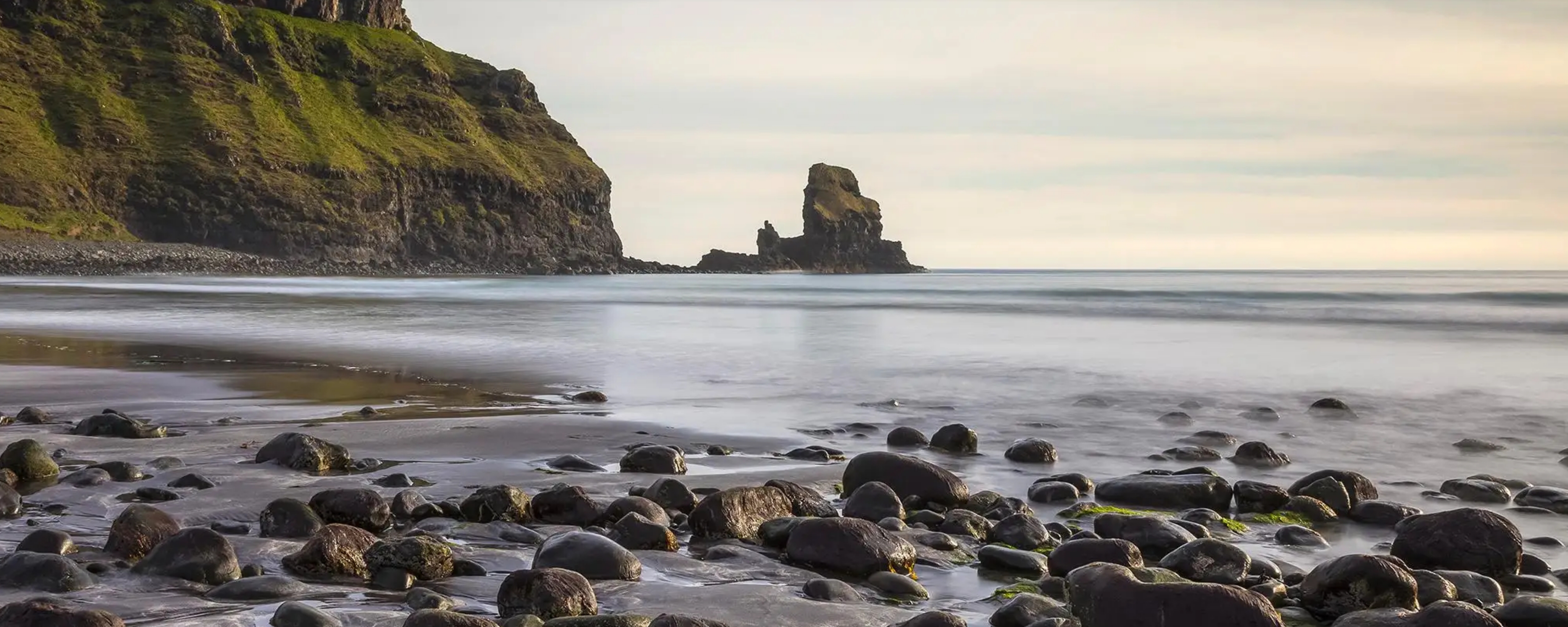
The lake is named after Princess Louise Caroline Alberta – a symbol of English aristocracy – but to the Stoney Nakoda people, the waters were a mirror to the sky We rented a canoe and drifted across the surface. Nothing moves fast here. The oar enters the water like a whisper. Mountain – reflection – sky – reflection. A conversation between light and ice.
Yoho National Park – Fossils, Waterfalls, and Awe
‘Yoho’ in Cree means ‘Wow‘! It is not poetic exaggeration; it is clinical description.
This park holds secrets older than the Rockies themselves.
The Burgess Shale
High above Yoho Valley lies the Burgess Shale, one of the most important fossil sites in the world. Here scientists uncovered remains from 508 million years ago, during the Cambrian Explosion – when life diversified wildly:
- animals grew eyes,
- spines,
- armour,
- and strategy.
It is the birth certificate of modern biology.
Emerald Lake
The lake shimmered jade-green because sunlight hit the suspended limestone sediments. You don’t just see Emerald Lake – you walk beside a gemstone.

Pic by: http://www.rockymountaineer.com
Takakkaw Falls
One of Canada’s tallest waterfalls, plunging 373 metres. Its Cree name means ‘magnificent’ and the air around it is mist and thunder.
Banff – Where Railroad Dreams Became Luxury Legends
Banff, like Lake Louise, exists because a railway baron needed people to travel west. The Canadian Pacific Railway executives built grand alpine hotels to tempt European elites – spas, ballrooms, dining salons – luxury in the wilderness.

Pic by: http://www.rockymountaineer.com
The Fairmont Banff Springs, the ‘Castle in the Rockies’, is the crown jewel. It rises from pine forests like a fortress of stone and ambition. Today, Banff hums with boutiques, breweries, mountaineers, and elk strolling through town as if they own it – because they do.
Why the Rocky Mountaineer Is Not Just a Train

It is a theatre of landscapes:
- glass-domed cars,
- gourmet kitchens at 60 km/h,
- sommeliers pouring Okanagan valley wines,
- hosts who narrate geology, wildlife, history and indigenous heritage.
It is also a lesson in humility. You cannot conquer the Rockies; you are allowed to pass through them.
Practical Tips
Choose GoldLeaf Service – the upper-deck dome and dedicated dining elevate the journey.
Travel May–September – best wildlife sightings, clearest mountain views.
Bring binoculars – you will spot eagles, elk, black bears, and mountain goats.
Layer clothing – indoor comfort, outdoor wind on the viewing deck.
Let Rocky Mountaineer handle logistics – hotels, luggage and transfers are seamless.
Final Thoughts
The Rocky Mountaineer is not the fastest way from Vancouver to Jasper.
It is the most meaningful.
It teaches you how to slow down, how to look up and how to appreciate land that was carved by ice and guarded by mountains.
We boarded expecting scenery. We left with reverence.
Love travel experiences that leave you awestruck? Explore more unforgettable adventures on Wandernests.
Craving clever itineraries and offbeat adventures? Subscribe to the Wandernests Dispatch for your weekly dose of wanderlust, whimsy, and where to go next.